
Muscle Engagement & Balance
- Engages different muscles (calves, hamstrings, glutes)
- Improves coordination and balance
- Relieves pressure off knees
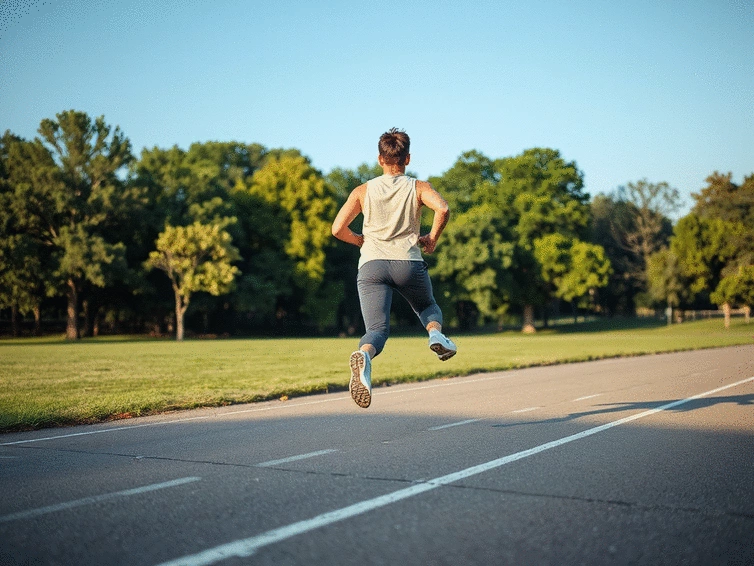
Looking to shake up your fitness routine? Consider backward running—a fresh and engaging way to enhance your workouts. This unique approach not only challenges your body in new ways but also opens up an exciting community of fellow runners eager to share their experiences.
Reverse running offers unique advantages by engaging different muscles and enhancing overall fitness. Below is a summary of its key benefits and why it might be a great addition to your routine.
Reverse running, also known as backward running or retro running, is a unique fitness trend gaining popularity among fitness enthusiasts like you and me! It's not just a novelty; this method of running offers numerous benefits that can enhance your overall fitness journey. So, what exactly is reverse running, and why should you consider giving it a try? Let’s dive into the basics together!
Backward running involves moving in the opposite direction of traditional forward running. While it might feel a bit awkward at first, the technique emphasizes using different muscle groups compared to standard running. As you step backward, you engage your calves, hamstrings, and glutes more intensely while also relieving some pressure off your knees. Research also suggests that backward walking and running can have cognitive benefits, promoting improved brain function and coordination.
When starting out, it’s essential to find a safe and open area, preferably away from traffic, to practice this skill. Places like parks, running tracks, or wide sidewalks can be ideal. Remember, it takes practice to master the coordination and balance needed for reverse running!
With consistent practice, you may find backward running is not only fun but also a refreshing change from your regular cardio routine!
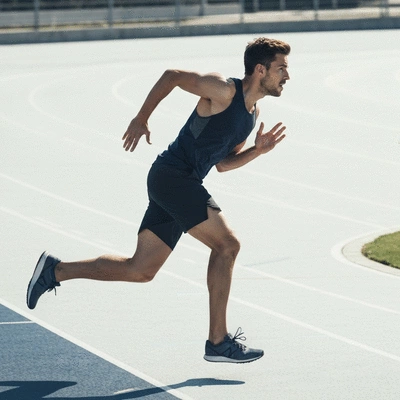
So, why should you choose to incorporate retro running into your fitness regimen? There are several compelling reasons to consider this unique approach to running. First, it can add variety to your workouts, keeping your routine fresh and exciting. Who doesn’t love a little change from the norm, right?
Beyond variety, backward running offers specific physical advantages. It can reduce the risk of injuries by strengthening underutilized muscles, which can provide better support for your joints. It also enhances cardiovascular endurance and can even improve your running speed in a forward motion by building stronger leg muscles.
These benefits can significantly contribute to your overall health and well-being, making retro running a valuable addition to your fitness journey.
Before you lace up your shoes and hit the pavement, let’s explore some essential techniques for effective backward running. Proper form is key to maximizing benefits and minimizing the risk of injury. Start by keeping your posture upright and your core engaged. This will help provide stability as you navigate your path!
Practicing these techniques will help you build confidence and allow you to enjoy the experience of backward running even more!
Did you know? Incorporating reverse running into your routine just two to three times a week can significantly improve your overall running efficiency and balance. Start with shorter distances and gradually increase as you become more comfortable with the technique!
Here are some common questions about backward running to help you get started and understand its benefits better.
Backward running engages different muscle groups (calves, hamstrings, glutes), improves coordination and balance, can reduce the risk of injuries, enhances cardiovascular endurance, and may even improve forward running speed. Some studies, like those from UCLA Health, also point to potential cognitive benefits.
While beneficial, backward running should be approached with caution. It's best to start in a safe, open area free from obstacles. Individuals with balance issues or certain medical conditions should consult a doctor before trying. It's often safer to begin with backward walking and gradually progress.
Backward running strengthens muscles that are often underutilized in forward running, such as the quadriceps and calves, which can help stabilize the knee joint and other supporting structures. This can lead to better overall joint health and reduced strain, as highlighted by sources like Cleveland Clinic.
Maintain an upright posture, keep your core engaged, and take short, quick steps. Your chin should be up, and your arms can be used for balance and momentum. It's important to look over your shoulder periodically or use a spotter to ensure you don't encounter obstacles.
Starting with two to three times a week for short durations (e.g., 5-10 minutes) is recommended. As you build confidence and strength, you can gradually increase the duration and frequency. Listen to your body and avoid overtraining.
Yes, by strengthening different muscle groups and improving balance and coordination, backward running can indirectly enhance your forward running efficiency and speed. It provides a complementary workout that addresses potential weaknesses in traditional running.
As we've explored the unique world of reverse running, it’s clear this unconventional approach offers numerous benefits. But how do you know if backward running is the right fit for you? Each individual has distinct fitness goals and preferences, and identifying whether retro running aligns with your aspirations is an important step. While many sources extol its virtues, it's also worth noting that some, like McGill University's Office for Science and Society, suggest that some claims about the benefits of backward walking (and by extension, running) may not be as robustly supported by evidence as often stated. It's always best to approach new fitness routines with a balanced perspective and listen to your body.

To help you determine if backward running suits your needs, consider the following factors:
Reflecting on these points can guide you in making an informed decision about incorporating reverse running into your fitness journey!
Backward running can be a fantastic addition to your fitness routine, but it’s essential to assess how it aligns with your personal goals. If you’re seeking to enhance knee health or improve balance, retro running might just be your new favorite workout. Enthusiasts often rave about the thrill of trying something different while reaping significant benefits.
Consider these questions to further evaluate if backward running is your next challenge:
If you answered yes to any of these, it sounds like backward running could be worth a try! Plus, the community around this unique exercise is growing, providing support and motivation.
Once you've decided to give backward running a shot, the next exciting step is to connect with others who share your interest. The fitness community is an incredible resource, offering camaraderie and encouragement as you embark on this journey.
Here are a few ways to immerse yourself in the reverse running community:
Finding a community that resonates with your fitness passion can truly enhance your experience and keep you motivated!
Tracking your progress is crucial for staying motivated and seeing the improvements you’re making in backward running. Luckily, numerous fitness apps can help you monitor your workouts, set goals, and keep track of your achievements.
When choosing a fitness app, consider these features:
By using a fitness app, you can gain insights into your performance and find inspiration from others on similar journeys. Remember, every step counts, even if it’s taken backward!
Here is a quick recap of the important points discussed in the article:
AI-Enhanced Workouts for Everyone
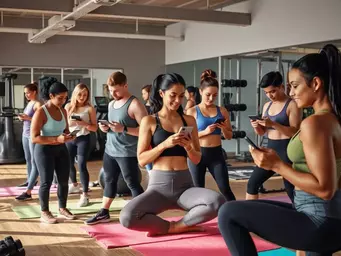
As we stand on the brink of a fitness revolution, the integration of AI technology is poised to tran
Understanding Gym Member Satisfaction
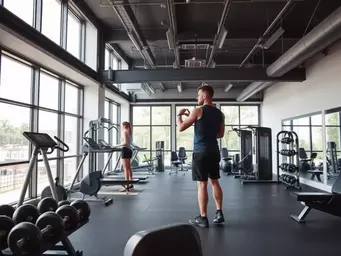
What if the right gym amenities could completely transform your fitness journey? A comfortable envir
Tailored Nutrition for Better Performance

As we strive for peak performance in our fitness journeys, have you ever considered how tailored nut
AI-Enhanced Workouts for Everyone
Understanding Gym Member Satisfaction
Tailored Nutrition for Better Performance
Luxury Gym Memberships: Worth It?
Cultivating Mental Fitness and Resilience